- Multiple startups launched voice AI clinic tools in June 2026 — AI receptionists, voice-first intake, and proactive outbound calling. A major hospital deployed voice AI across its call center, freeing staff for complex cases. A university health system used AI agents to reduce wait times and improve patient follow-through. Voice AI for clinics falls into two categories: call management and conversation intelligence. Clinic operators should choose tools based on their bottleneck: phone volume or follow-up quality.
The phone rings. Then it rings again. Front desk staff are juggling walk-ins, insurance checks, and voicemails while callers sit on hold. Missed appointments pile up. Patients get frustrated. Revenue walks out the door.
Voice AI agents are changing this faster than most operators expect. Recent months saw a wave of product launches and funding rounds that make one thing clear: voice-first automation has moved past the pilot stage. Here is what is happening and what clinic operators should look for when choosing a voice AI solution.
The New Wave of Voice AI for Clinics
Three announcements from recent months tell the story of how fast the landscape is shifting.
One startup launched an AI receptionist that answers clinic calls 24/7. The product handles inbound calls from start to finish — scheduling, billing questions, routing urgent matters to human staff. For smaller clinics that cannot staff a front desk around the clock, this solves a specific, persistent problem that affects patient satisfaction and revenue equally.
Another company launched what it calls an AI Front Door, replacing the typical digital front door model with a voice-first interface. Instead of directing patients to a web portal, the AI greets callers with a natural conversation that handles intake, scheduling, and triage. A large portion of healthcare communication still happens over the phone, especially with older patients. The shift from digital to voice acknowledges that reality.
A third company rolled out an AI agent for proactive outbound calling. Most voice AI focuses on inbound calls. This agent reaches out to patients for appointment reminders, follow-up coordination, and re-engagement. The difference between a clinic that calls first and one that waits for the phone to ring is often the difference between a full schedule and one full of cancellations.

Real Deployments, Real Results
One major hospital deployed voice AI across its call center operations. For a health system handling thousands of daily calls, even modest efficiency gains compound fast. Routine inquiries that needed a human operator are now handled instantly, freeing staff for complex cases that require judgment.
A university health system partnered with a consulting firm on AI agents aimed at improving patient care access. The results showed shorter wait times and better patient follow-through on treatment plans. The AI handles the administrative load so clinical staff can focus on care.
A Y Combinator-backed startup co-founded by Stanford engineers raised funding to automate clinic operations with AI voice agents. Their platform handles appointment scheduling, patient intake, and follow-up coordination across multiple specialties. The pattern is clear: voice AI is being deployed across every layer of clinic operations, not just the front desk.
The Gap Most Vendors Miss
Every one of these tools solves a specific workflow problem — answering calls, sending reminders, triaging patients. But none of them answer the question that matters most to clinic operators: what actually happened during the patient interaction?
An AI receptionist can schedule an appointment. It cannot tell you whether the patient mentioned a new symptom, whether they sounded hesitant about a treatment plan, or whether your front desk staff handled an objection well.
That gap is where Craibe comes in. Craibe AI records and analyzes face-to-face and phone conversations — the interactions that drive clinical decisions and revenue. It extracts symptom changes, patient concerns, follow-up items, and compliance signals from every consultation. The result is a searchable patient timeline that helps clinics improve follow-up, catch issues early, and build the kind of patient trust that drives word-of-mouth referrals.

What to Look for When Choosing Voice AI
The wave of voice AI products is good news for clinic operators. More competition means better products and lower prices. But the tools fall into two categories, and confusing them costs money.
Category 1: Call management tools. These handle inbound and outbound calls — scheduling, reminders, billing questions. They save front desk time and reduce no-shows. Choose one if your bottleneck is phone volume.
Category 2: Conversation intelligence tools. These record, transcribe, and analyze what happens during patient interactions. They show you what worked, what didn't, and what the patient actually said. Choose one if your bottleneck is follow-up quality and patient retention.
Most clinics need both. The smartest operators are already thinking about how these layers fit together.
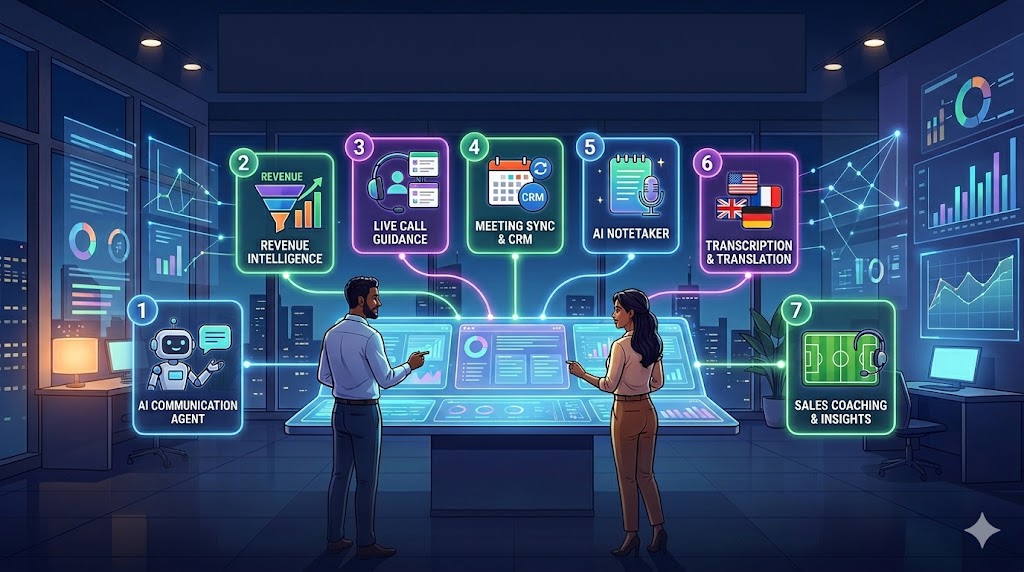
Transform every conversation into revenue. Your AI sales coach, always on.
Frequently Asked Questions
What can voice AI do for a clinic?
Voice AI handles inbound calls 24/7 — scheduling appointments, answering billing questions, routing urgent matters to human staff, and sending automated reminders to reduce no-shows.
Is voice AI secure enough for healthcare?
Reputable voice AI vendors build with HIPAA compliance in mind. Encryption, access controls, and audit logging are standard requirements.
How is Craibe different from call management AI?
Call management AI routes phone traffic. Craibe records and analyzes what happens during patient conversations — extracting symptoms, concerns, and follow-up items to improve care and retention.
Will voice AI replace front desk staff?
No. Voice AI handles routine calls so front desk staff can focus on complex patient needs and walk-ins.
What should a clinic look for in voice AI?
Identify your bottleneck first. Phone volume → call management tools. Follow-up quality → conversation intelligence.